
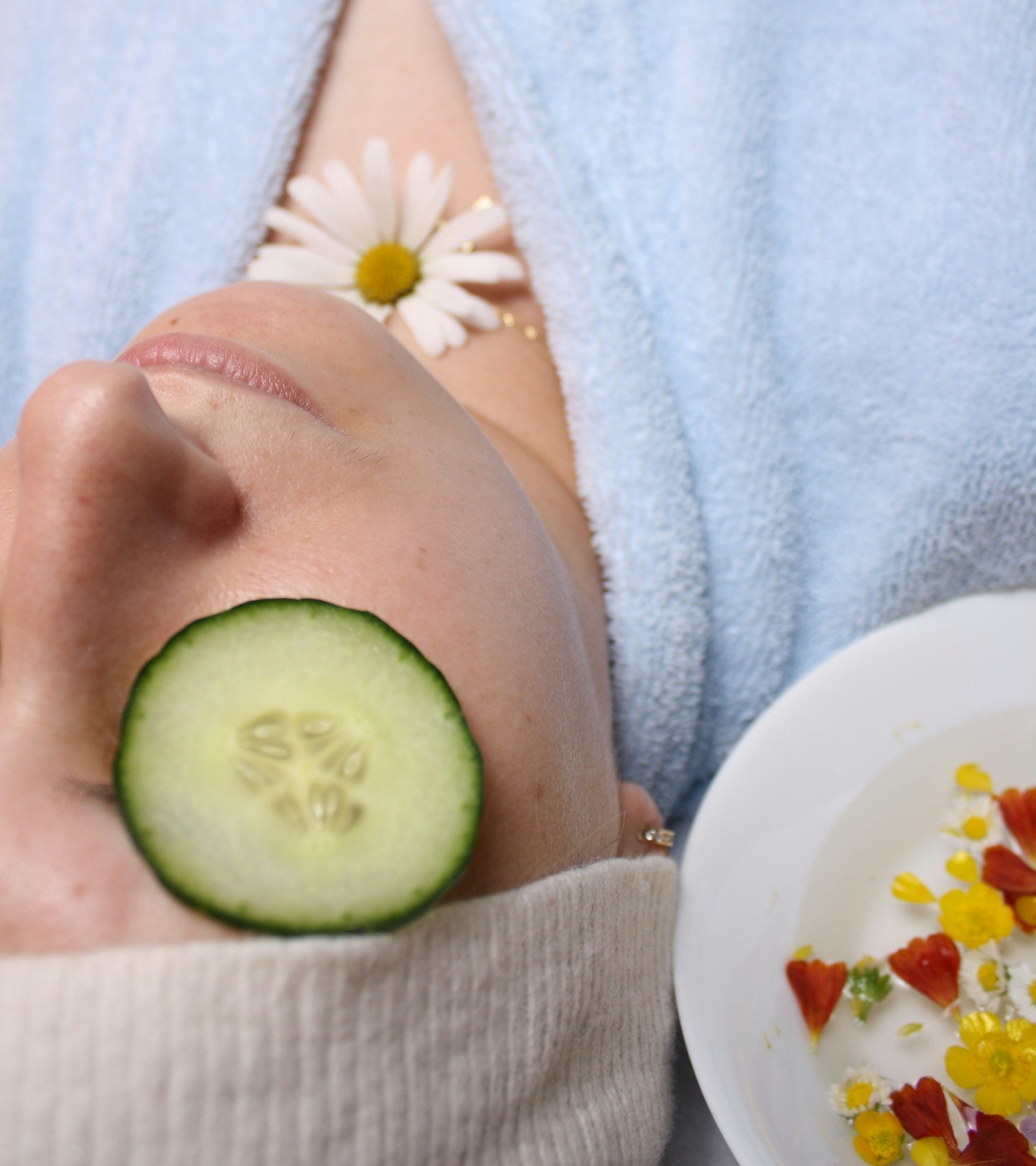
Facials have changed. They are no longer only a beauty appointment before a dinner or a mask-and-massage treat during a spa day. Today, the best facial treatment can be a skin health routine, a preventive anti-aging habit, a city-pollution reset, a stress-release ritual and a way to understand what your skin actually needs.
How modern facials became skin care, wellness and prevention
The modern facial sits between dermatology, wellness and personal care. One person may book a HydraFacial to clear sunscreen and congestion after a humid week in Bangkok. Another may choose Kobido because jaw tension and fatigue make the face look heavier. Someone else may need a classic facial because their skin is dry, confused and over-treated from too many active products.
That range explains why facial menus now include technology-led treatments, manual lifting massage, lymphatic drainage, LED therapy, deep cleansing, gentle exfoliation, anti-aging facial protocols and natural tools such as Gua Sha. The question is not which method is universally best. The better question is: which technique matches your skin type, your lifestyle, your tolerance and the result you want this week?
A good facial treatment should respect the skin barrier, avoid exaggerated promises and make a clear distinction between cosmetic improvement and medical care. A glow facial can make skin look brighter. A deep cleansing facial can reduce visible congestion. A facial massage can soften tension and puffiness. But painful acne, melasma, scarring, severe sensitivity or rapidly changing lesions deserve qualified medical advice.
Understanding the different types of facials
A facial is a professional skin treatment designed to cleanse, prepare, treat and support the face. Most protocols include several steps: consultation, cleansing, exfoliation, extraction when appropriate, massage, mask, serum and hydration. The details change depending on whether the facial is classic, technological, natural, manual or anti-aging.
Classic facials rely on therapist skill, products and massage. Technology-led facials use devices such as suction systems, LED panels, microcurrent or radiofrequency. Natural and traditional methods include facial massage, Gua Sha and Kobido. Anti-aging facials often combine hydration, antioxidants, peptides, massage and sometimes light or device support. A deep cleansing facial focuses on pores, blackheads and city build-up. A glow facial focuses on brightness, texture and hydration.
For readers comparing options, these are the core search terms to understand: facial treatment, best facial treatment, hydrafacial, anti-aging facial, gua sha facial, kobido massage, face gym, facial massage, skin rejuvenation, glowing skin and deep cleansing facial. They overlap, but they are not interchangeable. Skin rejuvenation can mean hydration and glow in a spa, or device-led care in a clinic. A face gym session may include massage and muscle activation, while a classic facial may include massage but not facial fitness.
For a broader city-level overview, Read our complete guide to wellness treatments before choosing a specific technique.
HydraFacial: the technology-led treatment for clear, luminous skin
HydraFacial is popular because it packages several useful steps into one efficient protocol: cleansing, exfoliation, suction-based extraction, hydration and serum infusion. The appeal is obvious for city skin. Sunscreen, sweat, makeup, pollution and air-conditioning can leave the face both congested and dehydrated. A well-performed hydrating resurfacing treatment addresses that contradiction better than a simple scrub or mask.
In practical terms, HydraFacial-style treatments can improve the look of pores, rough texture, dullness and dehydration. They are often chosen before travel, meetings, events or weekends because downtime is usually minimal. The finish is clean and glossy rather than heavily peeled. Cleveland Clinic describes comparable hydrating resurfacing treatments as procedures that exfoliate, deep clean pores and infuse hydrating serum, which is a useful way to understand the category without treating it as magic.
HydraFacial suits many skin types, especially combination, oily, dull and dehydrated-oily skin. Sensitive skin may tolerate it when settings and boosters are adjusted. It is less appropriate when the skin barrier is damaged, sunburned, actively inflamed or immediately post-procedure. Its limit is also important: it can support acne plans, brightening routines and anti-aging goals, but it is not a cure for cystic acne, melasma or deep wrinkles.
Classic facial: the essential foundation of skin maintenance
The classic facial remains relevant because it is flexible. A good therapist can adjust cleansing, exfoliation, steam, extraction, massage, mask and hydration around the skin in front of them. That matters when your face is dry one month, congested the next and sensitive after travel. A classic facial is not old-fashioned when it is performed intelligently; it is the base language of professional skincare.
Compared with HydraFacial, a classic facial usually feels more human, slower and more massage-led. It may be better for people who want relaxation, product customization and a softer ritual. HydraFacial is often better for a fast, structured pore and hydration result. The best choice depends on whether the skin needs precision suction and serum infusion or a calmer maintenance appointment with hands-on assessment.
Classic facials are useful every four to six weeks for many people. They can help maintain texture, remove superficial buildup, support hydration and make a home routine work better. They are also a safer starting point for first-time facial clients because a conservative therapist can keep the protocol simple.
Anti-aging facial: prevention, firmness and realistic skin renewal
An anti-aging facial should not promise to erase time. Its best work is more subtle: softening dehydration lines, improving surface radiance, reducing puffiness, supporting elasticity and helping the face look rested. Treatments may include vitamin C, peptides, hyaluronic acid, gentle retinol alternatives, collagen-positioned masks, antioxidants, LED, lifting massage and lymphatic drainage.
Hydration is the foundation. Dry skin exaggerates fine lines, while a healthy barrier reflects light more evenly. Antioxidants can support skin exposed to pollution and UV stress. Peptides and hyaluronic acid are common because they fit the spa language of plumping and smoothing without necessarily requiring downtime. Gentle retinoid or retinol-style care should be handled carefully, especially if the client already uses actives at home.
Massage is also central. Lifting strokes, Kobido-inspired work and drainage can make the face look less tired by reducing tension and fluid retention. LED therapy is often added for calming and supportive rejuvenation, although results depend on device quality, consistency and correct use. Cleveland Clinic notes that LED light therapy is used for several skin concerns, including acne and fine lines, but it should be understood as supportive rather than instantly transformative.
Face workout and face gym: toning facial muscles naturally
Face workout and face gym treatments come from a simple idea: the face is not only skin. It also contains muscles, fascia, fluid patterns and habitual tension. A face gym session may include warm-up massage, knuckling, stretching, tapping, drainage, sculpting movements and sometimes microcurrent or other devices. At home, face workouts use repeated expressions or resisted movements to train awareness and tone.
The potential benefits are most visible in puffiness, tension and expression fatigue. People who clench their jaw, hold their brow, sleep poorly or spend long days at a screen often notice that massage and muscle work make the face look more open. Circulation improves temporarily, the jaw may feel lighter and the cheeks can look more awake.
The limitation is consistency. A single face gym session can give a short-term sculpted effect, but lasting change requires regular sessions and good technique. Aggressive pulling is not better. Overworking the face or dragging the skin can irritate it. Face workouts should be gentle, clean and supported by skincare basics such as moisturizer and sunscreen.
Gua Sha facial: drainage, circulation and natural radiance
Gua Sha uses a smooth tool, often stone, moved across lubricated skin in slow strokes. In facial care, the pressure should be much lighter than body Gua Sha. The goal is usually lymphatic drainage, improved surface circulation, muscle relaxation and a temporary sculpted look. It is especially popular for puffiness, jaw tension, morning swelling and people who prefer natural rituals.
A good Gua Sha facial feels controlled, not harsh. The tool glides, the skin is supported and pressure is adjusted around the eyes, cheeks, jaw and neck. When performed well, the face can look brighter because fluid has moved and tension has softened. It pairs well with hydrating serums, calming oils and a slow spa setting.
Precautions matter. Avoid Gua Sha over active inflamed acne, open lesions, sunburn, rosacea flares, bruising, recent injections, fresh threads or areas with broken capillaries. People on blood-thinning medication or with clotting concerns should ask a medical professional before using strong massage tools. The facial version should be gentle enough that it supports the skin rather than challenges it.
Kobido: the Japanese art of lifting facial massage
Kobido is often described as a Japanese facial lifting massage, but that phrase undersells the skill involved. A strong Kobido treatment uses fast, precise, rhythmic and varied hand movements: tapping, kneading, lifting, smoothing, draining and relaxing. It works on skin, muscle tone, facial expression and nervous-system calm at the same time.
The result is not the same as a machine or injectable. It is a natural, manual, relaxation-led lift. The face may look more open, the jaw softer, the cheekbones more defined and the skin brighter. Because Kobido is hands-on and technique-heavy, the practitioner's training matters more than the product label. A mediocre Kobido is just a face massage. A skilled Kobido can feel like choreography.
Compared with Gua Sha, Kobido is more complex and therapist-dependent. Compared with face gym, it is less about exercise and more about manual expertise. Compared with an anti-aging facial, it may use fewer active ingredients but more advanced massage. It suits mature, tired, stressed and tension-held faces, especially for people who want a non-invasive alternative to more clinical anti-aging treatments.
Facial massage and lymphatic drainage: why circulation matters
Facial massage is the quiet engine inside many premium facials. It improves the experience, relaxes muscles, moves fluid, encourages a healthier-looking surface glow and helps the client slow down. Lymphatic drainage is more specific: light, directional movements intended to support fluid movement and reduce puffiness. It is not deep tissue massage. It should feel precise and gentle.
These techniques are valuable for swollen morning faces, travel fatigue, tension around the jaw, under-eye puffiness and skin that looks grey from stress. A small facial roller study indexed on PubMed found changes in skin blood flow after roller massage, which supports the common observation that mechanical stimulation can affect facial circulation, even if beauty claims should stay measured.
This is where a professional spa can make a real difference. For residents and travelers looking for a trusted wellness destination, choosing the best spa in Bangkok can shape the quality, safety and overall experience of a facial treatment, especially when techniques involve devices, extractions or advanced massage.
How to choose the best facial for your skin type
The smartest facial choice begins with the skin's current condition, not the most fashionable technique. Dry skin does not need the same treatment as oily skin. Sensitive skin does not need the same pressure as resilient skin. Mature skin may need hydration and massage more than aggressive peeling. Blemish-prone skin may need a clinic-led approach rather than a perfumed spa ritual.
Dry skin
Choose a hydrating facial, classic facial with barrier support, gentle LED or a soft anti-aging facial built around hyaluronic acid, ceramides and massage. Avoid aggressive suction or strong exfoliation until the skin feels comfortable again.
Oily skin
HydraFacial, deep cleansing facial and careful extractions are usually the most logical starting points. The goal is not to strip oil completely; it is to clear pores while leaving enough hydration that the skin does not rebound.
Sensitive skin
Start with a calming classic facial, barrier-repair mask, gentle LED or very light lymphatic massage. Avoid heavy fragrance, intense heat, strong scrubs, high-pressure Gua Sha and stacked acids unless a trained professional has assessed the skin.
Mature skin
Anti-aging facials, Kobido, facial massage, LED and hydrating peptide treatments often make the most sense. Look for plumping, circulation and relaxation rather than harsh resurfacing that can make mature skin look stressed.
Dull skin
HydraFacial, brightening facials, mild exfoliation, vitamin C masks and facial massage are useful when the skin looks flat. Pair the glow treatment with sunscreen, because brightness will not last if UV exposure is ignored.
Blemish-prone skin
Deep cleansing, LED support and clinic-led acne facials are safer than random strong peels. Active painful acne, cysts, recurring inflammation or post-acne marks should be handled with a dermatologist or a qualified skin clinic.
Tired or stressed skin
Kobido, Gua Sha, lymphatic drainage, face gym and massage-led spa facials can help when tension, puffiness and poor sleep show on the face. The best result often comes from relaxing the whole nervous system, not only polishing the surface.
If acne, oil or post-treatment sensitivity is part of your decision, Discover our skincare tips before choosing an extraction-heavy facial. If you are comparing venues by mood, budget and neighborhood, Explore our beauty and spa guide for a broader Bangkok view.
Facial techniques compared
The table below compares the main facial techniques by objective, skin fit, intensity, frequency and realistic results. It is designed for decision-making, not for ranking. The best facial treatment is the one that solves the right problem with the least unnecessary stress on the skin.
| Technique facial | Objectif principal | Type de peau recommande | Niveau d'intensite | Frequence recommandee | Resultats attendus |
|---|---|---|---|---|---|
| HydraFacial | Deep cleansing, exfoliation, extraction and hydration | Dull, congested or dehydrated-oily skin | Medium | Every 4 to 6 weeks | Cleaner pores, smoother texture and a hydrated glow |
| Classic facial | Routine maintenance and balanced skin care | Normal, dry, combination or mildly congested skin | Low to medium | Every 4 to 6 weeks | Softer skin, fresher tone and better product absorption |
| Anti-aging facial | Firmness, fine lines, elasticity and radiance | Mature, dry, tired or early-aging skin | Medium | Every 4 to 8 weeks | Plumper texture, relaxed features and a more rested look |
| Face gym | Muscle activation, sculpting and circulation | Puffy, tense or slack-looking skin | Medium | Weekly or biweekly at first | More toned expression, less tension and short-term lift |
| Face workout | At-home facial muscle training | People who can practice consistently | Low to medium | Several short sessions per week | Gradual tone and better awareness of facial tension |
| Gua Sha | Lymphatic drainage, facial tension and natural glow | Puffy, tired or tense faces | Low | 2 to 4 times per week or in-spa monthly | Reduced puffiness, relaxed jaw and brighter surface tone |
| Kobido | Advanced manual lifting massage | Mature, stressed or tension-held faces | Medium to high | Every 2 to 6 weeks | Lifted-looking features, relaxation and improved facial mobility |
| Drainage lymphatique | De-puffing and fluid movement | Puffy, jet-lagged or stressed skin | Low | Weekly during a reset, then monthly | Less swelling, softer contours and a lighter facial feel |
| LED facial | Calming, acne support or collagen-supportive light care | Sensitive, acne-prone or aging skin | Low | Weekly courses or monthly add-on | Calmer appearance, less visible redness and supportive skin rejuvenation |
| Deep cleansing facial | Congestion, blackheads and pollution build-up | Oily, combination or city-stressed skin | Medium | Every 4 to 6 weeks | Clearer pores, smoother makeup and less surface buildup |
Dermatology and skincare references
Facial menus can sound persuasive, so it helps to anchor decisions in conservative skincare principles. The references below support the article's guidance on cleansing, exfoliation, hydrating resurfacing, LED therapy and skin-barrier caution.
Infographic Brief: The Ultimate Guide to Facial Techniques
Title
The Ultimate Guide to Facial Techniques
Visual structure
- Top band: title, subtitle "Modern and traditional facials by goal, skin type and frequency."
- Center grid: 10 technique tiles for HydraFacial, Classic Facial, Anti-Aging Facial, Face Gym, Face Workout, Gua Sha, Kobido, Lymphatic Drainage, LED Facial and Deep Cleansing Facial.
- Benefit map: connect each technique to glow, anti-aging, detox, lifting, relaxation and hydration.
- Best for strip: dry skin, oily skin, sensitive skin, mature skin, dull skin, blemish-prone skin and stressed skin.
- Frequency strip: weekly, every 2 weeks, every 4 to 6 weeks and seasonal reset.
Exact tile copy
- HydraFacial: cleanse, extract, hydrate. Best for glow, pores and dehydration. Frequency: 4 to 6 weeks.
- Classic Facial: cleanse, mask, massage, moisturize. Best for maintenance. Frequency: monthly.
- Anti-Aging Facial: peptides, antioxidants, firming massage. Best for fine lines and tired skin. Frequency: 4 to 8 weeks.
- Face Gym: sculpt, activate, de-puff. Best for tone and facial tension. Frequency: weekly or biweekly.
- Face Workout: short repeated exercises. Best for consistency-led toning. Frequency: several times weekly.
- Gua Sha: glide, drain, release. Best for puffiness, jaw tension and natural glow. Frequency: 2 to 4 times weekly.
- Kobido: fast Japanese lifting massage. Best for relaxation, lift and mature skin. Frequency: 2 to 6 weeks.
- Lymphatic Drainage: light directional massage. Best for de-puffing and travel fatigue. Frequency: weekly during reset.
- LED Facial: red or blue light support. Best for calming, acne support and rejuvenation. Frequency: course or monthly add-on.
- Deep Cleansing Facial: exfoliation and extraction. Best for blackheads, oil and pollution. Frequency: 4 to 6 weeks.
Icon suggestions
Water droplet for hydration, sparkle for glow, leaf for natural methods, upward arrow for lifting, crescent moon for relaxation, shield for skin barrier, light beam for LED, clean pore circle for deep cleansing and clock for frequency.
Design direction
Premium minimal spa and wellness style. Soft ivory background, jade headings, muted gold dividers, wine accents for caution notes, thin line icons, generous spacing and mobile-first readability. Avoid clutter, heavy gradients and medical-looking imagery.
Mini FAQ: facial techniques and skin results
What is the best facial treatment for glowing skin?
The best facial treatment for glowing skin depends on why the skin looks dull in the first place. If the issue is sunscreen build-up, pollution, blackheads or uneven texture, HydraFacial or a deep cleansing facial is often the most efficient option because it combines exfoliation, pore clearing and hydration. If the dullness is mostly dryness or fatigue, a hydrating classic facial with massage may look softer and more natural than a strong extraction session.
For a low-risk glow before an event, choose gentle exfoliation, a hydrating mask, facial massage and sunscreen-focused aftercare. Avoid booking an aggressive peel or intense extraction for the first time right before photos. Glowing skin is usually a balance of clean pores, water in the skin, a calm barrier and light-reflective texture.
Is Hydrafacial better than a classic facial?
HydraFacial is not automatically better than a classic facial; it is better for specific goals. It tends to suit people who want a predictable cleanse-and-glow treatment with suction, exfoliation and serum infusion. It can be very useful for congested pores, travel fatigue, sunscreen residue and dehydrated-oily skin. A classic facial is broader and more adaptable. It may include cleansing, steam, extractions, massage, mask and hydration, but the quality depends heavily on the therapist.
Choose HydraFacial when you want visible clarity with minimal downtime. Choose a classic facial when you want more massage, relaxation, customized product choice or a gentler maintenance ritual. Sensitive, inflamed or recently treated skin should be assessed carefully before either option.
How often should you get a facial?
Most people do well with a professional facial every four to six weeks. That rhythm roughly matches the idea of regular skin turnover and gives the skin time to recover between exfoliation, extraction or device-based steps. If the treatment is mainly lymphatic drainage, gentle massage or LED, it may be done more frequently during a short course. If the facial includes strong exfoliation, deep extraction or active ingredients, more is not always better.
Your schedule should reflect your skin condition. Oily or congested skin may benefit from monthly deep cleansing. Dry or sensitive skin may need less frequent but more hydrating appointments. Mature skin often responds well to consistent, moderate treatments rather than occasional aggressive sessions. After any facial, protect the result with gentle cleanser, moisturizer and daily sunscreen.
What is the difference between Gua Sha and Kobido?
Gua Sha and Kobido are both manual, non-invasive facial techniques, but they feel and function differently. Gua Sha uses a smooth tool, often stone, moved across the face with oil or serum. The goal is usually drainage, circulation, tension release and a more sculpted temporary appearance. Pressure should be light on the face, especially around sensitive areas, redness, broken capillaries or active acne.
Kobido is a Japanese facial massage tradition performed with the practitioner's hands. It uses fast, precise, rhythmic movements, lifting strokes, tapping and deep relaxation work. It is more technically demanding and usually feels like an advanced manual lifting massage rather than a simple tool ritual. Choose Gua Sha for gentle home maintenance or spa drainage; choose Kobido for a more expert, therapist-led lifting and relaxation experience.
Can facial massage really lift the face?
Facial massage can make the face look lifted, but it should be described realistically. It can reduce puffiness, relax tight muscles, improve the look of circulation and make the cheeks or jawline appear more defined for a while. Techniques such as Kobido, lymphatic drainage and face gym can be especially satisfying when the face looks tired, tense or swollen. They do not create the structural change of surgery, injectables or medical tightening procedures.
The benefit is often visual and sensory: the face looks fresher because fluid has moved, tension has softened and the skin surface has been stimulated. Results last longer when massage is repeated regularly, supported by good sleep, hydration, sunscreen and a simple skincare routine. Avoid intense massage over active acne, recent filler, fresh threads or post-procedure swelling unless a qualified professional approves it.
Which facial is best for anti-aging?
The best anti-aging facial is usually the one that improves skin quality without irritating the skin. For early fine lines and tired texture, hydrating anti-aging facials with hyaluronic acid, peptides, antioxidants and massage are a strong first choice. For puffiness and facial tension, Kobido, lymphatic drainage and face gym can create a fresher, more lifted appearance. For redness or post-treatment support, LED may be useful as part of a broader plan.
If pigmentation, deep wrinkles, acne scarring or laxity are the main concerns, a facial alone may not be enough. A clinic or dermatologist can advise on retinoids, peels, lasers, radiofrequency, ultrasound or injectables where appropriate. The safest anti-aging strategy is consistent: daily sunscreen, barrier support, sensible exfoliation and professional treatments that match the skin's tolerance.
Is Face Gym effective?
Face Gym can be effective for people who understand what it can and cannot do. A professional face gym session uses massage, knuckling, drainage, stretching and sometimes devices to stimulate facial muscles and release tension. Many people notice short-term contour, less puffiness and a more awake expression. At-home face workouts can also help with awareness of jaw clenching, brow tension and posture-related facial tightness.
The limitation is that results depend on consistency, technique and expectations. Face workouts will not replace collagen loss, fat-pad changes or medical lifting procedures. Done too aggressively, they can irritate skin or reinforce unwanted expression lines. The best approach is gentle, regular and paired with hydration, sunscreen and enough recovery. Think of face gym as facial fitness and tension management, not a guaranteed anti-aging cure.
What should I avoid after a facial treatment?
After a facial treatment, avoid anything that adds heat, friction or unnecessary irritation for at least 24 hours. That usually means no strong exfoliating acids, retinoids, scrubs, harsh cleansing brushes, sauna, steam room, intense workout, heavy sun exposure or picking at extracted pores. If your skin feels tender or looks pink, keep the routine basic: gentle cleanser, moisturizer and sunscreen during the day.
Makeup depends on the treatment. After a light hydrating facial, many people can wear makeup later the same day. After extractions, peels, microneedling-style add-ons or active acne care, it is better to wait. Also avoid testing a new active serum immediately after a facial. The skin is more receptive, which can be good for hydration but risky for irritation. Let the treatment settle before adding experiments.
Conclusion: the best facial is the one your skin can actually use
HydraFacial, classic facials, anti-aging facials, face gym, face workout, Gua Sha, Kobido, lymphatic drainage and LED therapy all have a place. None of them is the single answer for every face. The best facial technique is the one that matches your skin condition, your tolerance, your time and your goal.
If you want glow, think cleansing, hydration and gentle exfoliation. If you want anti-aging support, think consistency, sunscreen, massage, peptides and realistic expectations. If you want natural sculpting, consider Gua Sha, Kobido, drainage or face gym. If you have acne, sensitivity, pigmentation or medical concerns, choose a qualified clinic or dermatologist-led plan. A premium facial should leave the skin clearer, calmer and better understood, not overwhelmed.