
Hydration vs. Exfoliation: What Does Your Skin Need Today?
Your skin is like a living canvas—it changes with your lifestyle, climate, and even your mood. Some days it feels dry and thirsty, craving deep moisture. Other days, it’s dull or congested, begging for a good exfoliation.
3/23/20263 min read
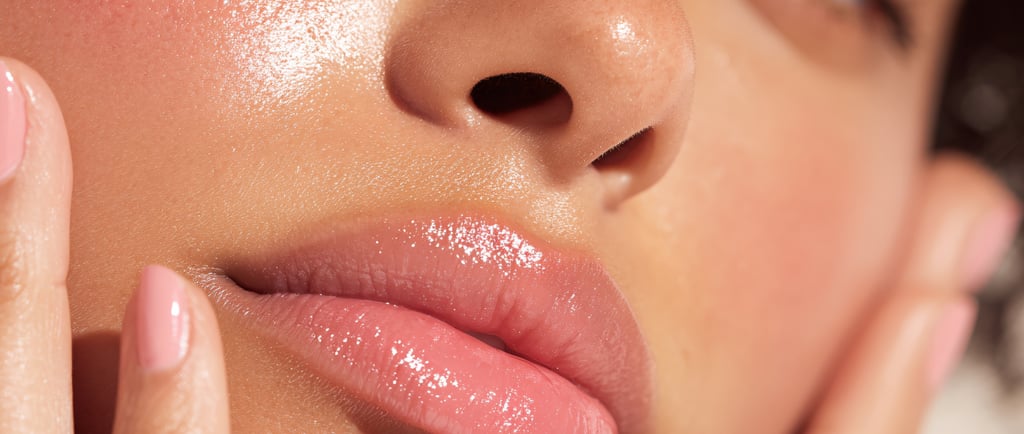
Your skin is like a living canvas—it changes with your lifestyle, climate, and even your mood. Some days it feels dry and thirsty, craving deep moisture. Other days, it’s dull or congested, begging for a good exfoliation.
The real challenge? Knowing what your skin actually needs right now. Hydration and exfoliation both play vital roles in achieving radiant skin, but using the wrong one at the wrong time can cause more harm than good.
Let’s decode the difference and learn how to strike the perfect balance.
Hydration: Giving Your Skin a Drink
What It Means
Hydration is all about restoring water to the skin. When your skin lacks moisture, it becomes tight, flaky, and more prone to fine lines. Hydrated skin feels soft, plump, and smooth—almost like it’s glowing from within.
How It Works
Hydration products (like serums, masks, or hydrating facials) contain humectants—ingredients such as hyaluronic acid, glycerin, and aloe vera that attract and hold water within the skin.
Signs You Need More Hydration:
Your skin feels tight after cleansing
Fine lines appear more visible
Makeup looks patchy or dry
You notice dullness even without oiliness
Pro Tip: Drinking enough water helps, but topical hydration is just as crucial, especially in dry or air-conditioned environments like Bangkok’s indoor offices.
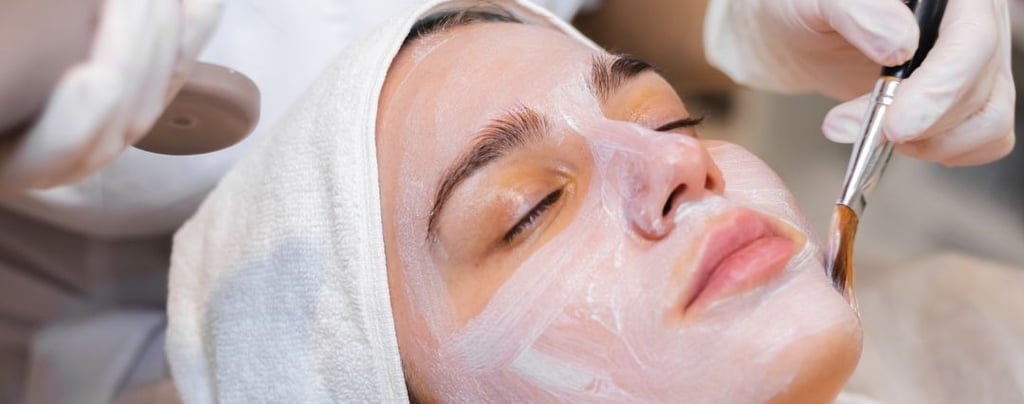
Exfoliation: Helping Skin Breathe Again
What It Means
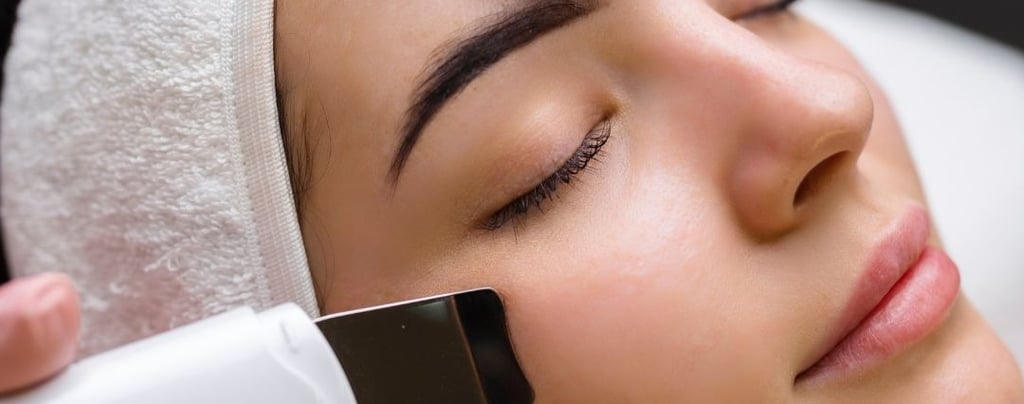
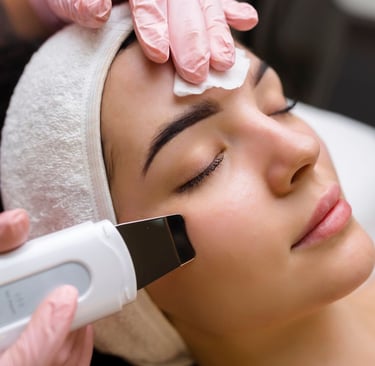
Exfoliation removes dead skin cells that sit on the surface, blocking pores and making your skin look rough or lifeless. It’s the process that helps your skin “breathe” again and allows serums and moisturizers to penetrate better.
Types of Exfoliation:
Physical Exfoliation – Scrubs, brushes, or exfoliating cloths that manually remove dead cells.
Chemical Exfoliation – AHAs (like glycolic or lactic acid) and BHAs (like salicylic acid) that dissolve dead skin gently and evenly.
Signs You Need More Exfoliation:
Skin feels rough or bumpy
Dull or uneven tone
Clogged pores and breakouts
Products seem less effective
Pro Tip: Exfoliate 1–2 times a week for most skin types. Overdoing it can lead to redness, dryness, or sensitivity.
Hydration vs. Exfoliation: Which Comes First?
Think of exfoliation as decluttering and hydration as decorating.
You can’t properly hydrate skin if it’s covered in a layer of dead cells. Likewise, exfoliating too often without replenishing moisture can leave skin raw and unbalanced.
The ideal approach:
Exfoliate gently to clear the surface.
Follow with hydrating products to lock in moisture.
This combination helps the skin absorb nutrients effectively and maintain a smooth, luminous texture.
Finding Balance for Your Skin Type
Dry or Sensitive Skin
Your skin needs more hydration, less exfoliation.
Choose gentle enzyme exfoliants once a week and layer hydrating masks, especially those with aloe vera or ceramides.
Spa Tip: Opt for a Hydrafacial—it uses water-based exfoliation to clean pores while infusing hydration at the same time.
Oily or Acne-Prone Skin
Your skin may feel hydrated but often lacks balance. Over-cleansing strips oil and triggers more sebum production.
Focus on chemical exfoliants like salicylic acid to unclog pores, and finish with lightweight, oil-free moisturizers.
Spa Tip: A detox facial with tea tree or charcoal helps control oil while maintaining moisture levels.
Combination Skin
You need both—but in moderation.
Exfoliate your T-zone more often than your cheeks and use a hydrating mist or serum throughout the day.
Spa Tip: Multi-masking works wonders—use a clay mask on oily zones and a hydrating gel on drier areas.
4. Normal Skin
Lucky you—your skin’s naturally balanced!
Alternate between hydrating and exfoliating treatments weekly to maintain your glow.
Spa Tip: Try a brightening facial with gentle acids followed by a hyaluronic mask for the perfect refresh.
The Climate Factor: Why Bangkok Skin Needs Special Care
Bangkok’s tropical weather brings a mix of humidity, heat, and pollution, which can confuse your skin.
The humidity makes pores expand and traps sweat and oil.
Air pollution causes buildup and dullness.
Frequent air-conditioning dries out the outer layers.
That’s why Bangkok facials often combine hydration and exfoliation in one session—cleansing deeply while replenishing lost moisture to keep your complexion balanced and calm.
Smart Skincare: Listen to Your Skin
Your skin doesn’t have the same needs every day.
If it looks dull, it might need exfoliation.
If it feels tight or rough, it’s time for hydration.
The secret is to observe and respond, not follow a rigid routine. The healthiest skin is the one that’s in tune with your environment and rhythm.
Final Thoughts: The Glow Is in the Balance
Hydration and exfoliation aren’t opposites—they’re partners.
Exfoliation preps the skin to receive moisture; hydration nourishes it to shine. Together, they create the foundation for healthy, glowing skin that feels just as good as it looks.
So next time you face the mirror, ask:
“Does my skin need a drink—or a reset?”
Once you answer that, glowing skin will follow naturally.
Facial Bangkok
Discover top-notch treatments for ultimate facial rejuvenation in Bangkok - Thailand.
Guide
© 2026. All rights reserved. Designed by Pimclick SEO Agency
Article