
Understanding the Layers of a Professional Facial: Step-by-Step Experience
A facial shouldn’t be a mystery. When you understand the layers of a professional treatment — why each step exists and how it benefits your skin — you’ll get more out of every session. Whether you want deep cleansing, anti-aging results, or pure relaxation, a skilled esthetician layers treatments to deliver predictable, safe outcomes. This guide walks you through a typical professional facial so you can relax, informed.
5/13/20262 min read
Step 1 — Consultation & Skin Analysis (Before the Treatment)
Every great facial begins before the therapist touches your skin. The consultation covers your skin concerns, allergies, medications, and recent procedures. This is followed by a skin analysis using magnification or woods lamp to evaluate:
Skin type (oily, dry, combination)
Hydration level and barrier health
Congestion, sensitivity, pigmentation, or active acne
Why it matters: Personalizing the facial reduces risk and improves results.
Step 2 — Makeup Removal & Double Cleanse
Professional cleanses go beyond at-home routines. Makeup and surface oils are removed first, then a second, deeper cleanse is performed to dissolve sebum, sunscreen, and pollutants.
Why it matters: A double cleanse creates a clean canvas so active ingredients penetrate properly.
Step 3 — Exfoliation (Physical or Chemical)
Exfoliation removes dead skin cells to brighten texture and boost absorption. Estheticians choose between:
Physical exfoliation (gentle microdermabrasion or enzyme polish) for manual smoothing; or
Chemical exfoliation (AHA/BHA or enzyme peels) to dissolve cellular bonds and clear pores.
Why it matters: Proper exfoliation speeds cell turnover and reduces congestion without damaging the barrier.
Step 4 — Steam & Extractions (When Appropriate)
Steam softens sebum and opens pores, making extractions safer. A trained therapist performs manual extractions with sterile tools and technique.
Why it matters: Professional extractions reduce the risk of scarring and infection compared to DIY picking.
Step 5 — Targeted Treatment Mask
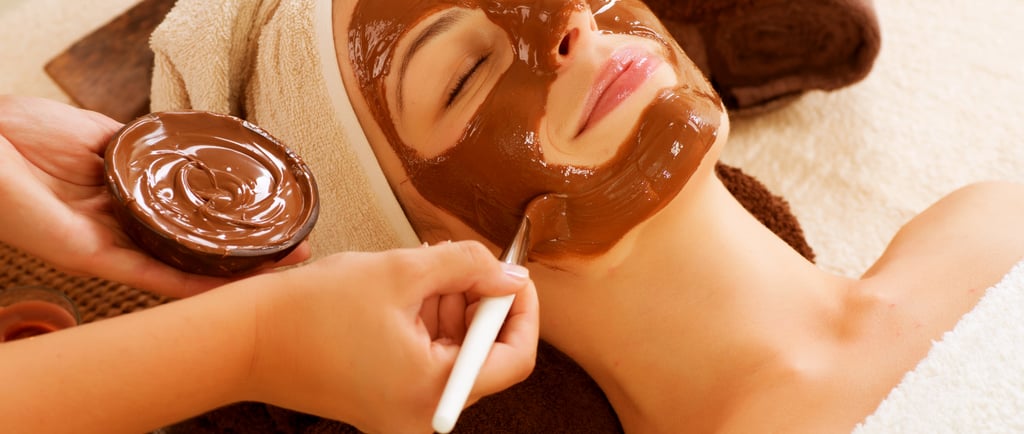
After cleansing and exfoliation, a customized mask is applied based on the skin’s needs:
Clay masks for oily, acne-prone skin
Hydrating masks with hyaluronic acid for dry skin
Brightening masks with vitamin C or kojic acid for pigmentation
Soothing/anti-redness masks for sensitive skin
Why it matters: Masks deliver concentrated active ingredients where skin needs them most.
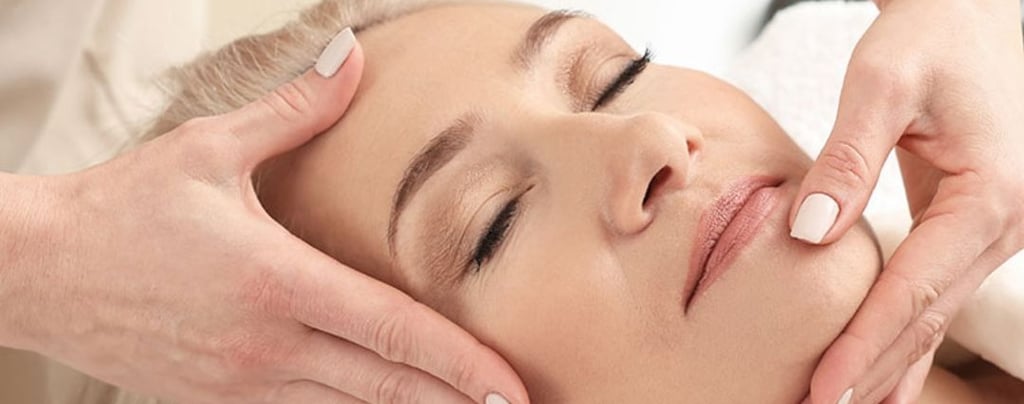
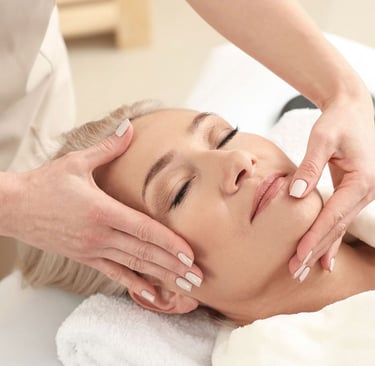
Step 6 — Facial Massage & Lymphatic Drainage
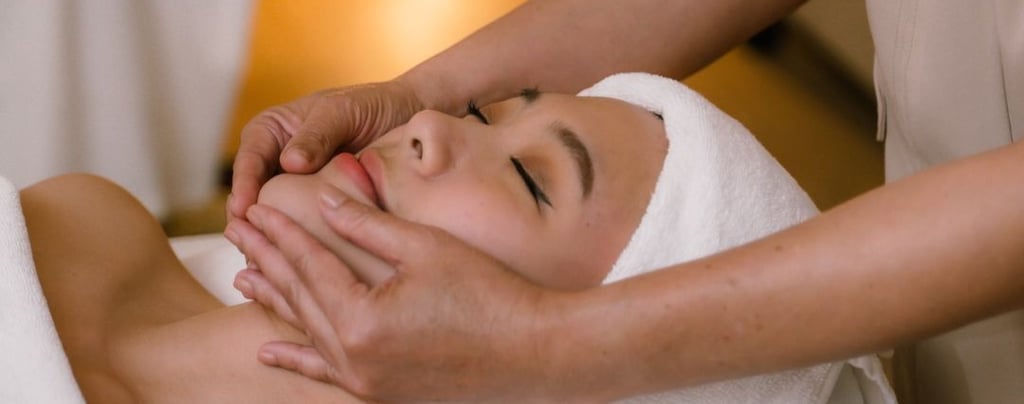
While the mask works, therapists often perform a facial massage — using techniques that increase circulation, stimulate collagen, and encourage lymphatic drainage.
Why it matters: Massage enhances product absorption, reduces puffiness, and creates that immediate “glow.
Step 7 — Serums and Targeted Actives
Post-mask is the ideal time for serums. Potent actives like vitamin C, peptides, growth factors, or retinoid preparations are layered from lightest to heaviest.
Why it matters: Serums contain the highest concentration of ingredients that produce visible change. Placement after exfoliation and massage improves penetration.
Step 8 — Eye & Lip Care
The delicate eye and lip areas receive special attention — cooling gels, depuffing creams, or collagen-boosting actives are applied with gentle taps or micro-roller tools.
Why it matters: Thin skin needs targeted care to avoid irritation while addressing fine lines and hydration.
Step 5 — Targeted Treatment Mask
After cleansing and exfoliation, a customized mask is applied based on the skin’s needs:
Clay masks for oily, acne-prone skin
Hydrating masks with hyaluronic acid for dry skin
Brightening masks with vitamin C or kojic acid for pigmentation
Soothing/anti-redness masks for sensitive skin
Why it matters: Masks deliver concentrated active ingredients where skin needs them most.
Step 6 — Facial Massage & Lymphatic Drainage
While the mask works, therapists often perform a facial massage — using techniques that increase circulation, stimulate collagen, and encourage lymphatic drainage.
Why it matters: Massage enhances product absorption, reduces puffiness, and creates that immediate “glow.
Step 7 — Serums and Targeted Actives
Post-mask is the ideal time for serums. Potent actives like vitamin C, peptides, growth factors, or retinoid preparations are layered from lightest to heaviest.
Why it matters: Serums contain the highest concentration of ingredients that produce visible change. Placement after exfoliation and massage improves penetration.
Step 8 — Eye & Lip Care
The delicate eye and lip areas receive special attention — cooling gels, depuffing creams, or collagen-boosting actives are applied with gentle taps or micro-roller tools.
Why it matters: Thin skin needs targeted care to avoid irritation while addressing fine lines and hydration.
Facial Bangkok
Discover top-notch treatments for ultimate facial rejuvenation in Bangkok - Thailand.
Guide
© 2026. All rights reserved. Designed by Pimclick SEO Agency
Article