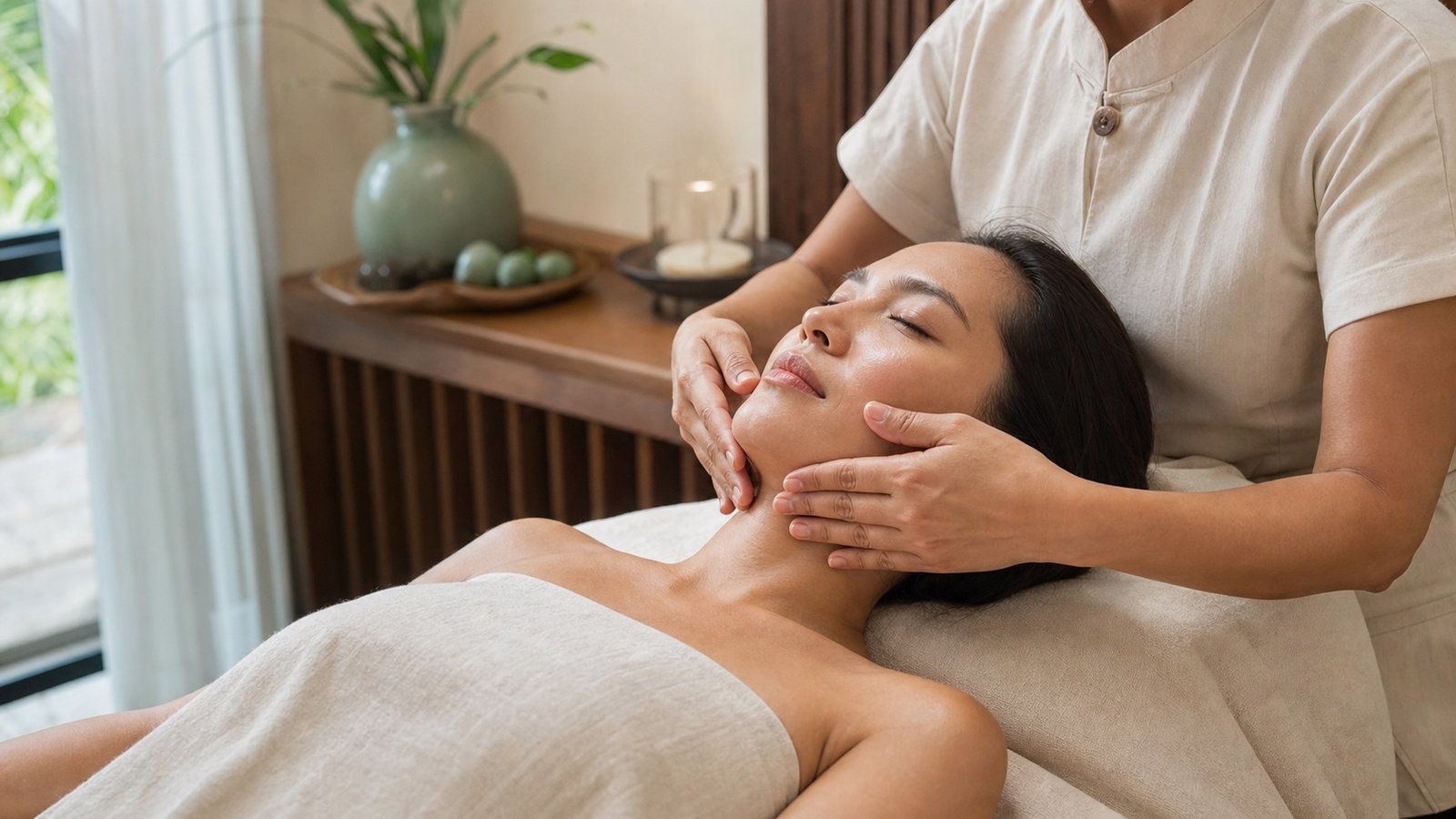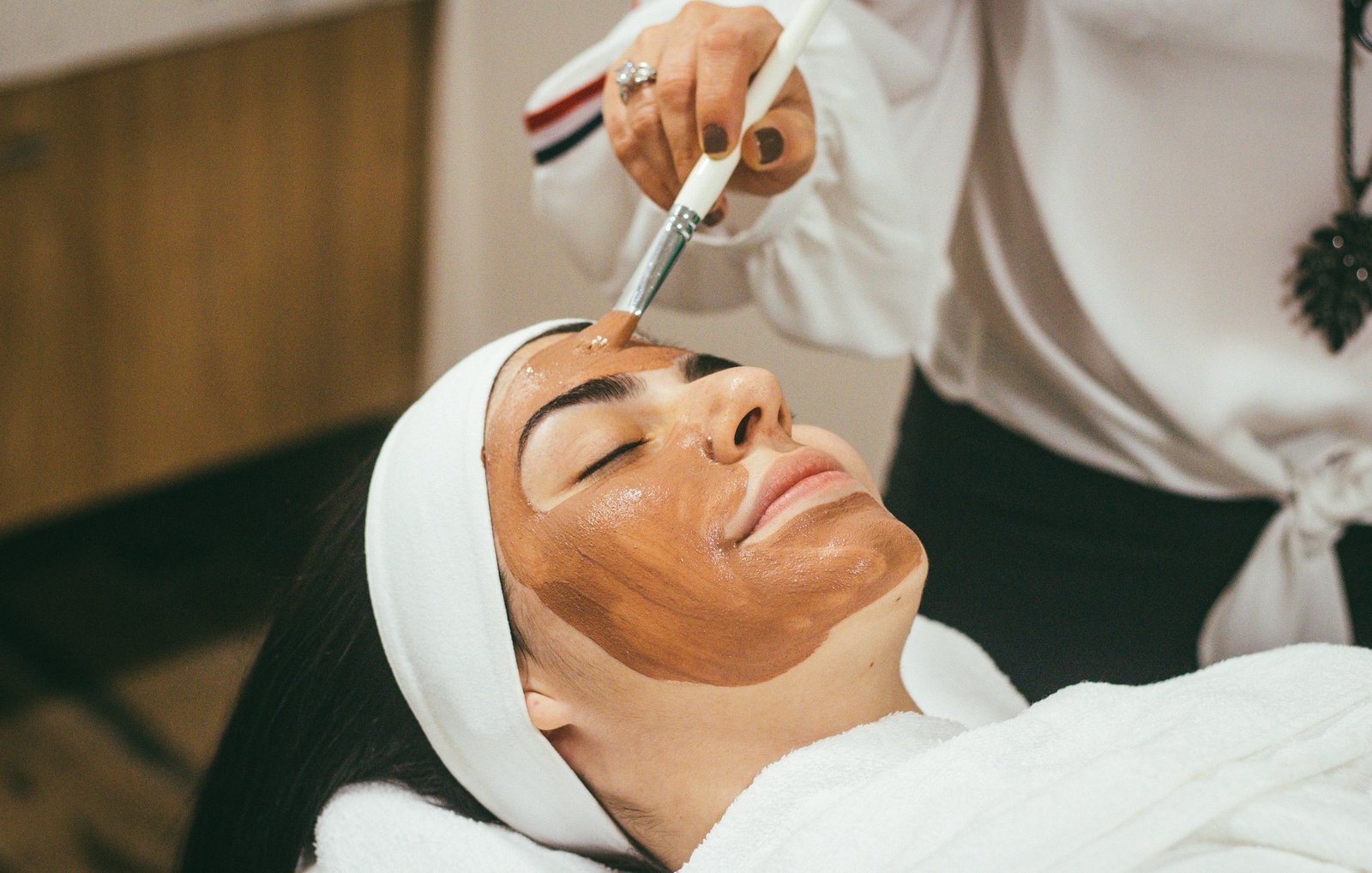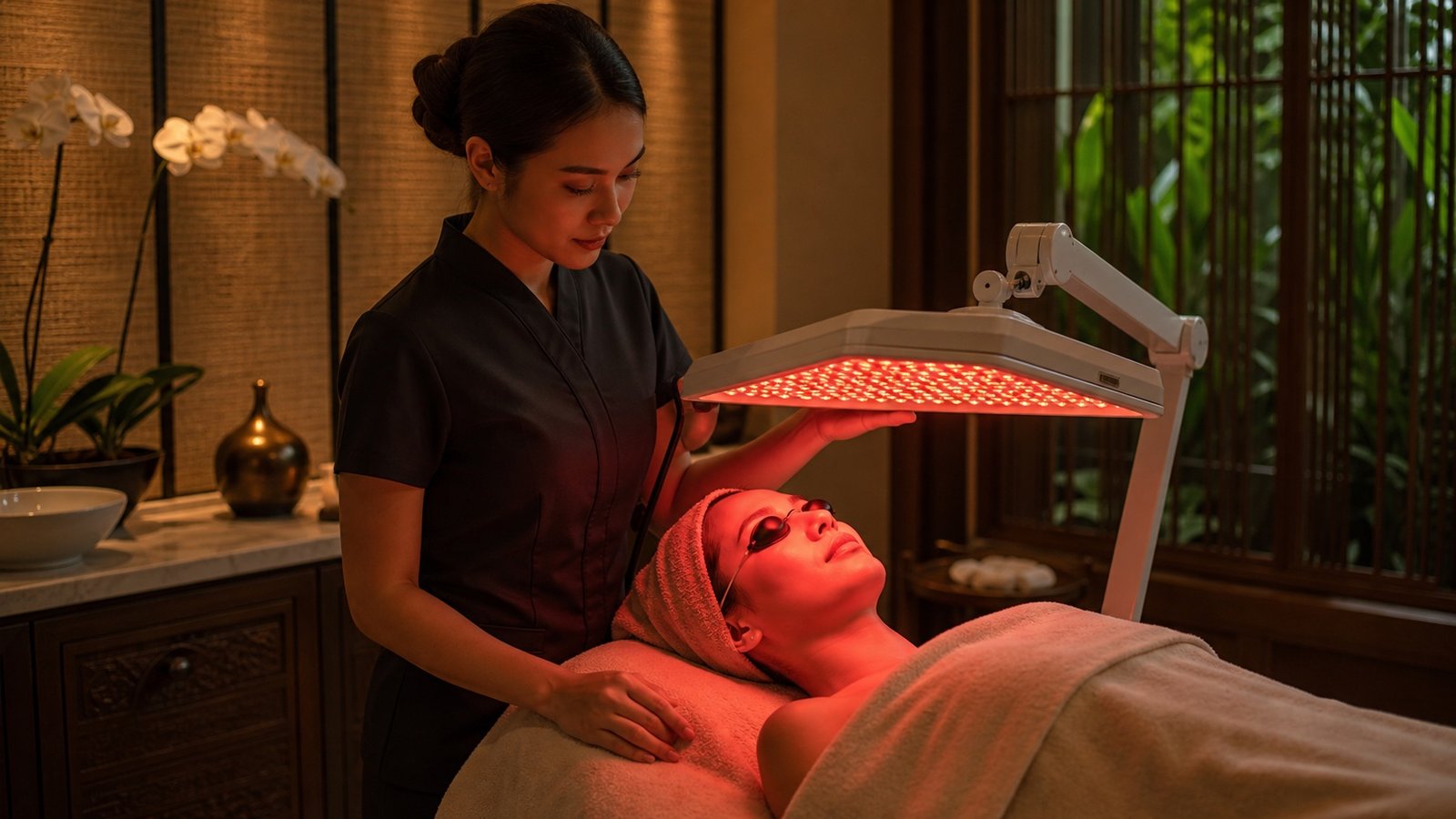

Personalized facials are trending because clients want treatments chosen from evidence on their skin, not from a one-size-fits-all menu.
Why this facial trend matters in 2026
In 2026, personalization is becoming a core beauty expectation. Skin-analysis devices, AI-assisted imaging, hydration readings, pore maps and consultation apps are changing how facials are sold. The promise is attractive: instead of guessing between glow, detox or anti-aging, the treatment is built from what the skin actually shows that day. The risk is that technology becomes theater if nobody interprets it properly.
In 2026, facial trends are useful only when they help a real person choose a better treatment. A phrase can be fashionable and still be vague. The practical question is what the facial will do for skin that is dry, oily, sensitive, tired, congested or exposed to Bangkok weather. Good editorial advice turns the trend into booking logic.
A premium facial should also protect the skin's tolerance. More steps do not automatically mean better results. The best practitioners explain why they cleanse, exfoliate, massage, use devices, apply masks or finish with a specific serum. If the explanation is clear, the trend can be useful. If it is only decorative language, the client should choose a simpler treatment.
What it means for Bangkok skin
Bangkok has a wide mix of luxury spas, clinics, facial bars and grooming studios, so personalization matters. A visitor may arrive sun-exposed and dehydrated. A resident may be congested from sunscreen and pollution. A man may need shaving-related calming. Someone using retinoids may need a gentler protocol than the menu suggests. The best personalized facial uses questions and observation before products and devices.
Bangkok adds its own logic to every facial trend. Heat can increase oil, but air-conditioning can dehydrate the surface. Sunscreen protects the face, but it can build up around pores. Pollution and sweat can make the skin look flat by the end of the day. That is why the right facial in Bangkok is rarely about one ingredient. It is about sequencing: clean enough, hydrate enough, calm enough and stop before the skin is overwhelmed.
For residents, the trend is most useful when it can become a monthly rhythm. For visitors, it is useful when it creates visible freshness without ruining the next day of travel. In both cases, the treatment should match the skin you have that week, not the skin you wish you had.
Who should consider it
This trend is most useful for readers who recognize one of the situations below. If none of them sounds like your face, choose a simpler classic facial or compare treatment types before booking.
- People who feel confused by long facial menus.
- Sensitive, acne-prone or combination skin that changes by week.
- Residents building a repeat facial routine in Bangkok.
- Travelers who need a safer one-off treatment after sun or flights.
Where it fits in Bangkok
The three venue recommendations below keep the decision practical. They are not interchangeable; each one frames the trend through a different facial style.
Loft Thai Spa
Loft Thai Spa can personalize through therapist judgment: choosing glow, hydration, relaxation or a HydraFacial-style reset based on the client's day. It is a good match when the reader wants premium care without losing warmth.
Nakhon Spa
Nakhon Spa fits the data-led side of personalization because the treatment can be structured around pore-clearing, hydration and visible skin goals in a convenient Phrom Phong setting.
Cavernes
Cavernes is useful for personalized men's facials because the consultation can account for shaving, beard line, sweat, oil, fatigue and the client's comfort with beauty language.
How to ask for it without overdoing it
A trend-led facial should still begin with a clear request. Tell the therapist what you want the skin to look and feel like afterwards, then mention what your skin has been exposed to in the last week: sun, retinoids, acids, acne products, shaving, flights, makeup, gym sweat or previous treatments.
- Ask what the analysis measures: oil, hydration, pigment, pores, redness or texture.
- Expect the therapist to ask about products, medication, recent treatments and sun exposure.
- Make sure the final protocol changes based on the analysis, not just the price tier.
- Choose fewer steps when the skin is reactive or recently treated.
- Keep a note of what worked so the next facial can become more precise.
That short conversation protects the result. It gives the venue permission to adjust pressure, exfoliation, suction, device intensity and finishing products. It also helps you avoid paying for add-ons that sound premium but do not match your skin condition.
What to avoid
Avoid paying extra for a scan that does not change the treatment. If the therapist shows impressive images but still recommends the same strongest facial to everyone, the personalization is mostly marketing.
Also avoid comparing your result to filtered trend videos. A strong facial result in real life is often quieter: less tightness, smoother texture, calmer redness, better light reflection and makeup that sits more evenly. Those changes matter more than a dramatic mirror clip immediately after a mask.
Bottom line
AI and skin analysis can improve facials when they lead to better decisions. In 2026, the premium experience is not more technology; it is a clearer reason for every step.
For a broader decision, compare the full Bangkok facial treatment guide and the Bangkok facial spa directory. The trend should guide the booking, but the final choice should still fit your skin, your timing and your tolerance.