Search interest and wellness booking reports help explain the attention around lymphatic drainage. Here is what those signals mean, where the evidence stops and how to choose a facial in Bangkok.
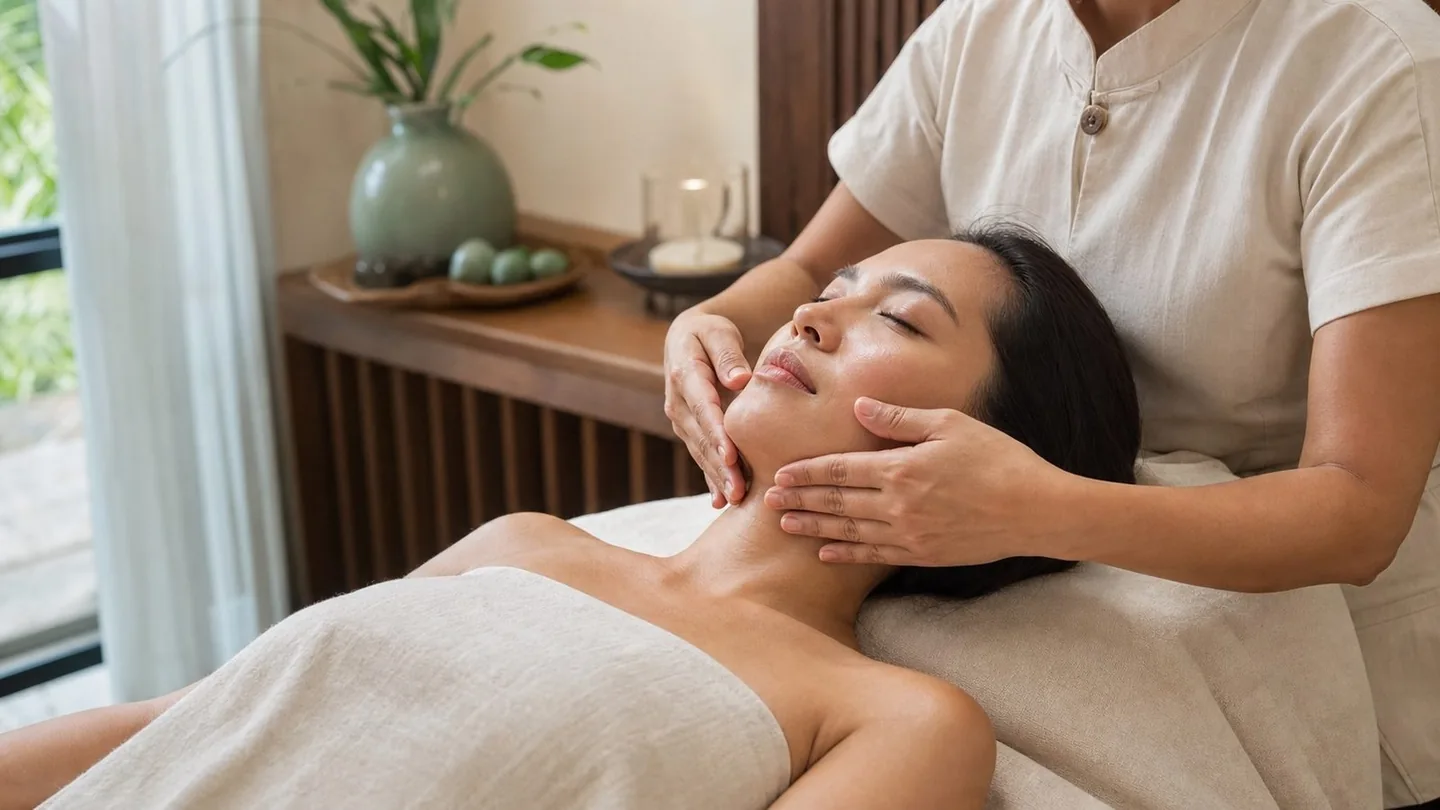
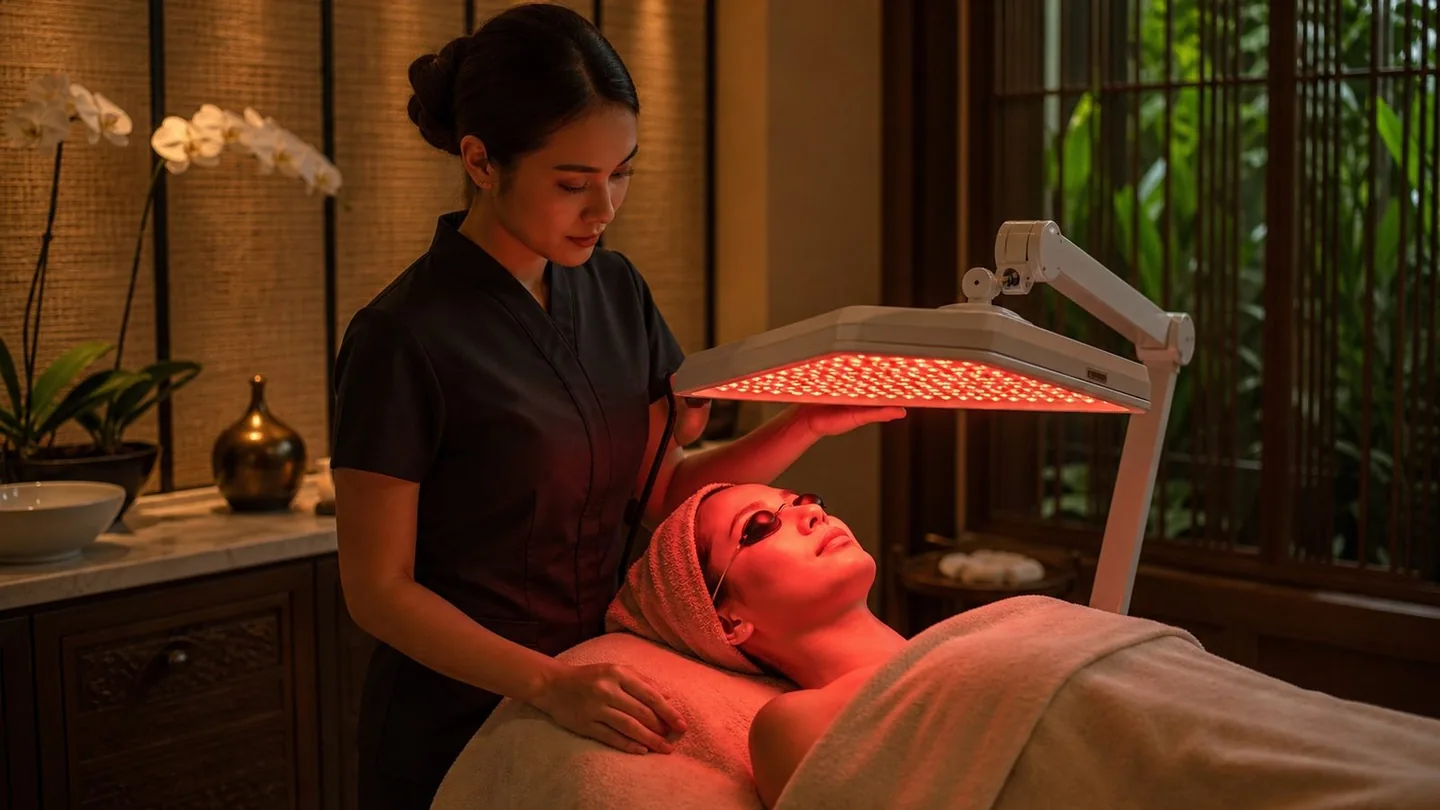
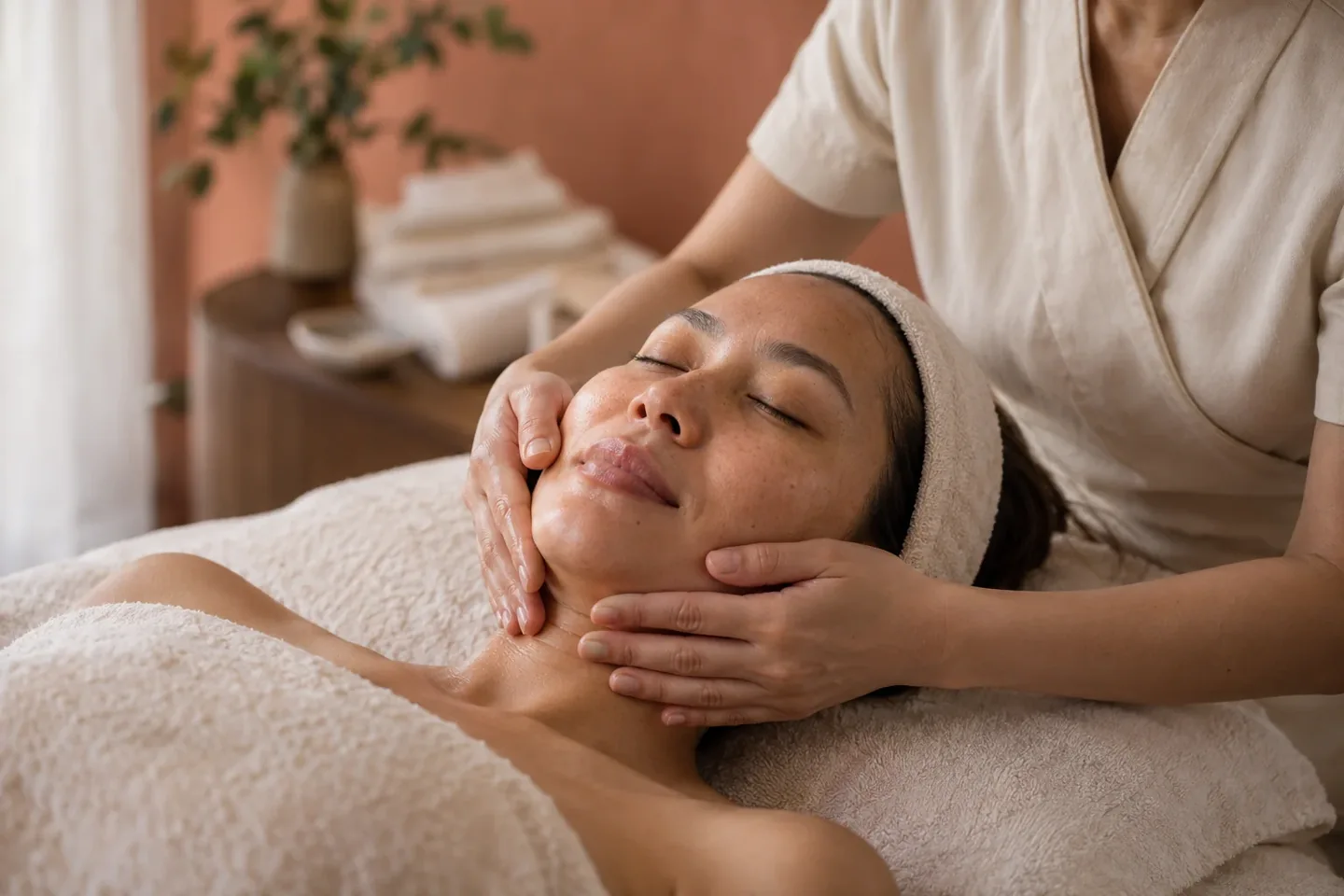
Generated editorial illustration; not a documented visit or demonstration of a clinical drainage technique.
Is demand for lymphatic drainage really increasing?
Lymphatic drainage has become a much more visible part of the facial conversation. It appears beside face workouts, sculpting, glow rituals and technology-led treatments, often with the promise of a fresher-looking face. The useful question is what sits behind that attention. A rise in searches, a rise in bookings and evidence that a technique works are three different things. Understanding the difference makes it easier to choose a treatment without buying into every claim attached to its name.
There is a specific search-interest signal. The SpaSeekers 2026 Spa Trends Report reports a 50% increase for the term “lymphatic drainage face massage”. Its methodology uses worldwide Google Keyword Planner search volumes, comparing October 2023–October 2024 with October 2024–October 2025. These are search-period comparisons published for a 2026 trends report, not a measurement of treatments delivered in Bangkok during 2026.
The Global Wellness Institute's Massage Makes Me Healthy and Happy Initiative also identifies manual lymph drainage as a 2026 trend. This is an industry initiative's assessment of attention and practice, rather than a city-level bookings census. It is useful context for why the term is appearing more often, but it does not provide a Bangkok growth percentage.
Broader reservation data points in a compatible direction. In its 2025 Look Back Report, ClassPass reports year-on-year growth of 42% for massage bookings and 50% for facials worldwide on its platform. The report covers reservation data from January 1 to October 10, 2025. These categories include many services beyond lymphatic drainage, and platform growth is not the same as growth across the entire market.
Together, these sources support a measured conclusion: interest in drainage-style facial care is rising within a wider appetite for massage and wellness appointments. They do not establish how many additional Bangkok clients booked it, which spa gained the most customers or whether any particular treatment delivered a better outcome. This guide uses that distinction throughout.
Why the idea fits the way people now choose facials
Our editorial interpretation is that drainage appeals because it gives people a simple way to describe a modest goal: looking less tired or less puffy while enjoying a quiet appointment. That feels more approachable than choosing among unfamiliar devices or committing to an extensive treatment programme. The language is easy to picture, and the idea of careful hands-on work has an appeal of its own.
There is also a practical difference between buying a result and buying an experience. A guest may value an hour away from their phone, a clear consultation, comfortable pressure and a well-finished facial even when the visual change is subtle. A sensible booking brief can include those priorities. It does not need to turn a pleasant cosmetic service into a promise about immunity, permanent contouring or whole-body health.
Consider the question you would ask without the fashionable name. Would you still want the appointment if the menu said gentle facial massage with skincare finishing? If yes, the experience may fit your preferences. If your decision depends entirely on a dramatic transformation, it is worth asking the provider to explain precisely what that transformation means and how it is assessed.
What lymphatic drainage means in medical care and at a spa
Manual lymphatic drainage has a medical context. The NHS explains lymphoedema treatment as a broader approach involving specialised massage, compression, exercise and skin care. That coordinated care addresses a diagnosed condition. A cosmetic appointment using the word drainage is not automatically the same service or evidence of the same training.
In facial menus, the term can refer to light massage within a longer beauty treatment. Cleveland Clinic describes lymphatic massage as gentle manipulation and notes possible cosmetic effects on facial puffiness. It also cautions that people without lymphoedema may not see meaningful results. That qualification matters more than an impressive treatment name.
Ask what your provider means by drainage. Is it a dedicated manual session, one step within a facial, or a device-assisted stage? Who performs it, and what training supports that work? A clear explanation lets you compare like with like. An unclear answer is a reason to pause, especially if the menu moves between medical language and beauty promises without explaining the boundary.
Set expectations around a cosmetic experience
A reasonable cosmetic goal is a comfortable facial and, for some people, a temporarily less-puffy appearance. It is not a guaranteed change in facial structure. Avoid interpreting every feeling of freshness as proof that a medical problem has been treated. Equally, a subtle result does not make a relaxing appointment worthless; it simply means the experience should be evaluated against the goal you actually chose.
Before paying, agree on what success would look like in ordinary terms. You might want gentle touch, a calmer setting, skin that feels comfortably moisturised or a treatment that avoids a particular step you dislike. These are useful things to discuss and observe. “A completely different face” is much harder to define and easier for advertising to exploit.
Be cautious about claims of permanent lifting, facial fat removal or a necessary detox for everyone. The clinical explanations linked here do not establish those promises for a routine spa facial. Ask for evidence relevant to the exact technique and the type of client being treated, rather than accepting a general reference to the lymphatic system as proof of a cosmetic claim.
Drainage, sculpting and face gym are not interchangeable
Menus often place several terms next to one another, but a shared word such as lift does not tell you what happens during the appointment. A face workout may emphasise active massage and contouring gestures. A drainage-focused facial may place more emphasis on light, rhythmic touch. A classic facial may include massage alongside cleansing, masks and hydration. Ask for the sequence instead of choosing from the headline alone.
- Manual drainage: ask about the scope, practitioner training and whether the service is cosmetic or part of clinical care.
- Sculpting or face workout: ask about pressure, tools and which parts of the appointment involve massage rather than skincare.
- Buccal massage: ask whether intraoral work is proposed, how consent is obtained and what hygiene arrangements apply. Do not assume it is included.
- A technology-led facial: ask whether drainage is a named stage and how the selected package differs from the basic treatment.
Our face gym and face-sculpting guide explores the wider vocabulary. For the practical questions behind a manual appointment, use the existing lymphatic facial massage guide. This article focuses on the growing interest and the decisions that interest should lead to, rather than treating every technique as one universal service.
What the trend means when you are booking in Bangkok
Bangkok offers several ways to build a facial appointment into a day: a dedicated facial bar, a broader spa visit or a treatment selected around a particular device. The most useful local question is which format fits your plans. A short stop near your route and an unhurried spa afternoon can both make sense, but they should not be compared only by the name of a massage step.
Start with geography. Choose the part of the city you can reach comfortably, then establish how much time you can allow for arrival, consultation, treatment and departure. Ask for the exact branch and entrance rather than relying on a neighbourhood label. Our Sukhumvit facial guide can help narrow the area before you compare individual menus.
A traveller and a resident may also be buying different things. A visitor might want one well-explained experience with no package commitment. A resident might be considering a repeat appointment and want consistent records of preferences. Neither needs to start by purchasing a course. A clear first session is a better basis for a later decision than a discount attached to an unfamiliar treatment.
A useful consultation starts before the massage
Send a short booking message that explains your goal, preferred pressure, available time and whether you want a private room. Ask the venue to name the treatment that matches those preferences and list what is included. Save the answer with the booking confirmation. This creates a shared reference if the title on an advertisement differs from the menu at the desk.
At the appointment, give the practitioner relevant information about recent procedures, symptoms and any advice you have received from a clinician. A booking conversation is not a diagnosis. If you are seeking help for unexplained swelling, say so clearly rather than presenting it as an ordinary beauty concern and hoping the treatment will resolve it.
You should also be able to decline an optional step. Ask whether the protocol can be adjusted and what would change in the price or duration. A thoughtful explanation is more useful than being told that every guest needs every add-on. The point is to choose an appointment you understand, not to collect the longest possible sequence of treatments.
Three Bangkok settings to compare
For a dedicated facial-bar format, the MIMIQ Facial Bar profile provides a starting point in Ploenchit. Its official Flush & Glow page describes a drainage-focused facial workout. Check the current session details and discuss how its massage approach fits your preferences. The venue's description establishes what it offers; it is not independent clinical proof of the advertised effects.
If the wider spa experience matters as much as the facial, consider the Loft Thai Spa profile. Its published guidance distinguishes gentle facial massage from clinical drainage and cautions against assuming a legacy treatment name is a standalone current service. Choose from the current facial menu and ask whether a gentle drainage-style element is appropriate and included.
For readers already considering a device-led facial, the Nakhon Spa profile offers a different comparison. Nakhon's official Platinum HydraFacial page includes a lymphatic drainage step within a broader protocol. That is a reason to check the selected tier, rather than assume every HydraFacial includes the same extras. It is also a different proposition from booking a dedicated manual massage session.
These are examples of appointment formats, not a ranking of treatment outcomes. Their inclusion here is based on published venue information; no visit or head-to-head treatment test was conducted for this article. Use the side-by-side venue comparator to organise the practical details, then verify the exact menu directly.

Compare the complete appointment, not just the starting price
A low starting price can refer to a different service from the one described in a feature photograph. Before comparing two quotes, write down the treatment name, duration, setting and inclusions. Check whether the stated time includes consultation or only the treatment itself. If drainage is one stage of a larger facial, ask how that stage fits into the full appointment.
Then confirm the final payable amount. Taxes, service charges, room arrangements and optional upgrades should be clear before you decide. Member rates should be compared with other member rates only if you actually intend to join. A discounted package is not automatically better value than one regular session when you are still discovering what you prefer.
The Bangkok facial price guide is useful for orientation, while the venue's current confirmation should determine your budget. Keep a screenshot or written quotation with its date. This is especially useful when an older article, a promotional post and a current booking page show different information.
When a beauty booking is the wrong first step
Cleveland Clinic lists situations in which lymphatic massage should be avoided, including blood clots, infection, fever, heart disease and kidney failure. If any of these applies, or you are under care for swelling, ask your healthcare provider rather than treating a spa consultation as medical clearance. Recent procedures also warrant advice from the clinician responsible for your care.
Persistent or unexplained swelling deserves assessment. Do not book progressively stronger massage because the first session failed to change it. For diagnosed lymphoedema, the NHS describes an ongoing treatment and maintenance approach; a beauty membership should not be treated as a substitute. The purpose of this guide is to support an informed cosmetic booking, not to determine the cause of a symptom.
How to read a dramatic before-and-after image
A photograph is an invitation to ask questions, not a complete explanation. Was the same camera used? Is the lighting similar? Are the head angle, expression and distance consistent? Were products or makeup applied between the images? When those details change, it becomes difficult to tell what you are actually comparing.
Ask when the second image was taken and whether a later follow-up exists. An immediate image and a lasting outcome answer different questions. Check whether the pictured treatment matches the one being sold to you. A photograph from a longer combination treatment should not be used to imply that one brief massage step produced everything shown.
You do not need to turn your appointment into a photo shoot. If you want a personal record, agree on consent and use consistent conditions. You can also evaluate the consultation, comfort and value without sharing images publicly. A salon's request for content should never be confused with a requirement to receive the service.
Decide what comes next after one appointment
Ask for simple written aftercare appropriate to the actual treatment you received, especially if it included products or devices as well as massage. Note any response you want to discuss before a repeat visit. Keep the record practical: which session you chose, what felt comfortable, what you would change and whether the experience justified the total cost.
There is no need to commit to a universal schedule from a trend article. Ask what a proposed repeat interval is intended to achieve and whether the recommendation changes with your preferences or circumstances. If you are being offered a package, read its validity, cancellation rules and treatment restrictions before paying.
The strongest reason to return is that the appointment was appropriate, well explained and worthwhile to you. A promise that everyone must keep draining their face to remain healthy is not the same kind of proposition. Keep cosmetic maintenance separate from medical care, and let your own experience inform the next booking.
A short booking checklist
- Define the goal: a gentle facial, a massage-led experience or a specific treatment stage.
- Confirm the exact branch, practitioner and service name.
- Ask what drainage means in that protocol and what training supports it.
- Check the duration, room arrangement, inclusions and full price.
- Explain relevant symptoms, recent procedures and existing clinical advice.
- Choose optional extras deliberately and confirm consent before unfamiliar techniques.
- Keep realistic expectations and decide on repeat visits after assessing the first appointment.
The growing attention around lymphatic drainage makes this a good moment to ask better questions. Bangkok offers different settings in which to explore facial massage, but a popular term should be the beginning of the conversation. The appointment becomes useful when the technique, practitioner, expectations and practical details are clear.
Sources, dates and the scope of this article
Researched on 29 October 2026. Search and platform reports describe their stated populations and time periods; none supplies a Bangkok-specific lymphatic drainage booking growth rate. Venue pages describe their own services. Clinical resources establish boundaries and do not endorse the venues mentioned here. The main image is a generated editorial illustration.
- SpaSeekers: 2026 Spa Trends Report and search methodology.
- GWI Massage Makes Me Healthy and Happy Initiative: 2026 trends.
- ClassPass: 2025 Look Back Report, platform booking context.
- NHS: lymphoedema treatment.
- Cleveland Clinic: lymphatic drainage massage, limitations and risks.
- MIMIQ: Flush & Glow treatment description.
- Loft Thai: updated facial drainage guidance and current-service caveat.
- Nakhon Spa: Platinum HydraFacial inclusions.
FAQ
Is lymphatic drainage becoming more popular?
Search-interest and industry reports indicate growing attention. SpaSeekers reports a 50% rise in worldwide searches for lymphatic drainage face massage across its stated comparison periods. This is not a Bangkok booking-growth figure.
Is a facial drainage massage the same as clinical MLD?
Not automatically. Clinical manual lymphatic drainage can form part of a care plan for diagnosed lymphoedema. A cosmetic facial may use drainage-style massage without being that clinical service.
Does every HydraFacial include lymphatic drainage?
Do not assume so. Check the named tier and venue protocol. Nakhon's Platinum page lists a drainage step, but different treatments have different inclusions.
How should I choose a lymphatic facial in Bangkok?
Compare the treatment format, practitioner training, exact branch, pressure, room setting and complete price. Confirm your goal and relevant history before the appointment.
How often should I book a drainage facial?
There is no universal schedule established by this trend report. Discuss the purpose of repeat sessions with the provider and assess the first appointment before buying a package. Clinical treatment follows the advice of your healthcare team.